Ice Surveilled Him for Nearly a Month Before Arresting Him
Per court documents, he had stopped leaving his home because he feared being detained during an immigration raid.

Since the Trump administration’s deportation campaign started last year, immigration enforcement in Puerto Rico has gone seriously undercovered. ICE’s self-reported numbers from last year show that more than 1200 people have been detained here. This amount is likely much higher now, especially as ICE detentions have spiked in recent weeks. There’s been a slew of videos published in the last few weeks showing masked immigration agents skulking the streets of neighborhoods that have large immigrant populations and arresting people. However, not all immigration enforcement in Puerto Rico has been snatch and grabs off the street. It can also be targeted surveillance. It's important to me that people here understand all the ways that ICE and CBP detain people.
Previously unreported court documents I found show that ICE surveilled an immigrant’s apartment over the course of nearly a month last year, then arrested him. Per the documents, the man had stopped leaving his home for fear of the ongoing immigration raids.
On June 4, 2025, Homeland Security Investigations (HSI) agents were leaving Georgetti Street in Rio Piedras when a man approached them to snitch on a person he believed to be an undocumented immigrant, according to an affidavit signed by an HSI agent. A few days later, the source contacted HSI, an ICE sub-agency, to tell them about Jorge*, an undocumented immigrant who lived in a multi-story apartment on Georgetti Street. The source also provided them with a photo of Jorge from his TikTok account, as well as his birthday. Using that information, HSI was able to confirm that Jorge was undocumented.
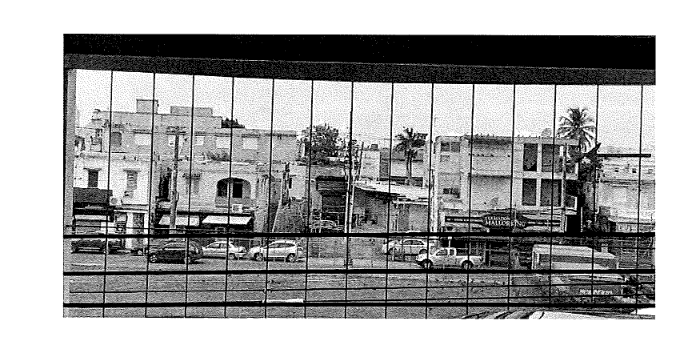
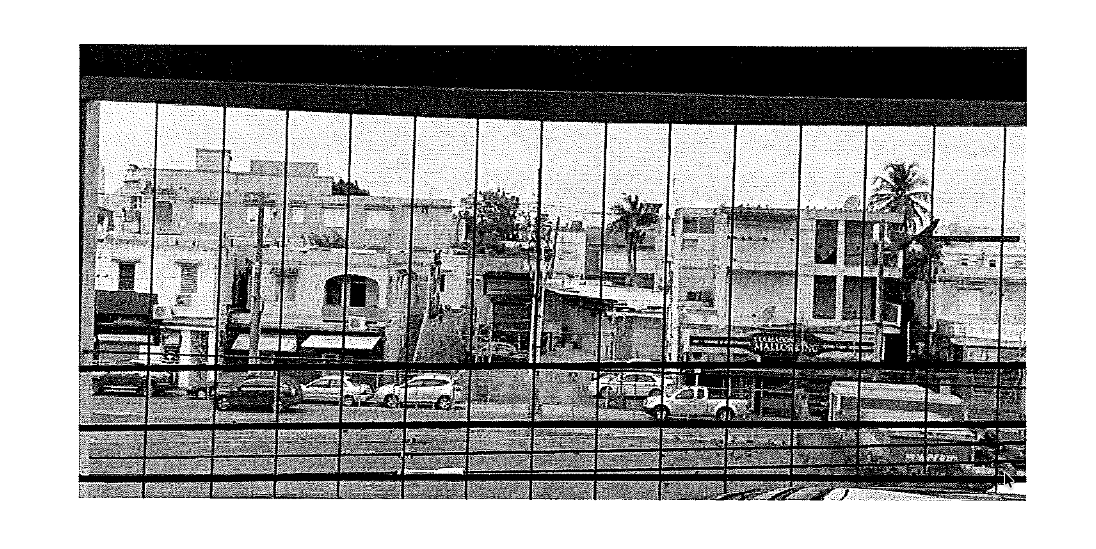
The next day, HSI agents started surveilling Jorge’s apartment building from the parking garage across the street. The first time they surveilled the place, all they managed to see was an open window. They returned a week later after their source told them that Jorge was inside the apartment and that he had stopped leaving his apartment because of the ongoing immigration raids. From their surveillance spot, HSI was able to observe a light on inside the apartment and an open balcony door.
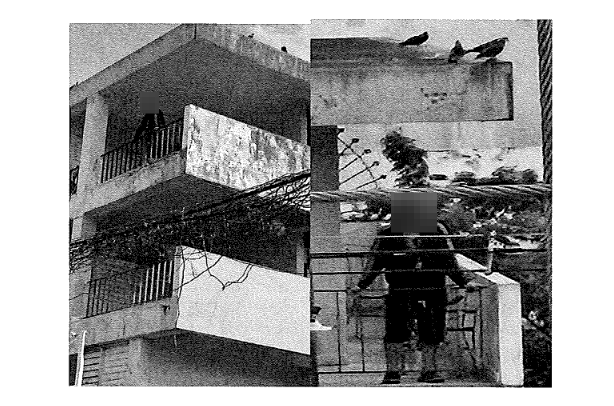
A week later, when they returned for the third and final time, they spotted Jorge out on his balcony. He had stepped out to throw his keys to a person on the street downstairs. The person on the street came up to hand Jorge a plastic bag, which appeared to contain food, per the affidavit.
Although there’s no details of how it happened, Jorge was arrested shortly after ICE’s third surveillance visit. The affidavit says that he had a previous drug conviction from 2004 and that he had been deported in 2005.
Meanwhile, other court documents point to him being released on bail, but being accidentally put under home incarceration even though he was supposed to be under home detention because of an error on his court documents. The difference between the two is that the former means you’re essentially under 24/7 lockdown while the latter means you’re allowed to leave to buy food and other necessities. Jorge “[was] unable to go downstairs, buy food, groceries, or perform any activity that is not to attend court proceedings, meet with the undersigned and receive medical attention,” because of the mistake, his attorney wrote in another court document. The time between his bail conditions being set and the conditions of his bail being clarified was three weeks.
Jorge eventually pleaded guilty to re-entry after being removed, and he was sentenced to time served. This is common among undocumented migrants convicted of minor federal offenses because it means they will quickly be transferred to ICE custody and put into deportation proceedings.
I reached out to the TikTok account listed in the affidavit but didn’t get a response. Its last post was in March of this year, about two weeks before the case’s final judgement was entered.
Targeted surveillance is – of course – not the only way that ICE is watching people. The folks at 404 Media have done a great job at documenting the myriad of ways that ICE and other federal agencies are tracking immigrants and anti-ICE protestors. ICE's surveillance technology allows them to track social media, people's locations, medical claims, and more.
The reason that I'm highlighting this case is now even though it's over a year old at this point is twofold. The first is because it's something that's not been reported here in Puerto Rico. Meanwhile, the second is because ICE arrests reached a record high under Trump last month. There were more than 43,000 detentions in June across the United States, according to ICE statistics. In early July, daily arrests reached 1,593.
Immigration agents aren’t only snatching people off the street, they’re also performing surveillance on people inside of their homes. While Jorge only came onto HSI's radar because somebody snitched on him, there are a lot of ways that immigration agents could happen upon information pointing to someone being an undocumented immigrant. This can range from the aforementioned snitching to using the database they got from the Department of Transportation.
Although ICE’s statistics do not include the number of immigration detentions per state/colony, they do include data on the immigrant population detained at the San Juan Staging Facility, which is located in Guaynabo and is called “La Neverita” (The Icebox). Per the statistics, the average daily population is 15 people with an average daily stay of three days.
While La Neverita is the only facility in Puerto Rico in ICE's statistics, migrants I’ve spoken to and court documents I’ve reviewed show that immigrants are being held in other locations throughout the archipelago. One of them is the Aguadilla Processing Center, which appears to be part of the “closed” Aguadilla Detention Center. Another is ICE/HSI’s offices in Guaynabo, next to the San Patricio Mall. It’s unclear how much time detained immigrants spend at either of these locations. Because Puerto Rico does not have a permanent immigration detention center, migrants are often flown out of the archipelago within a few days of being detained.
Sadly, ICE’s terror campaign has no end in sight right now. So, it’s important that we’re armed with the knowledge necessary to protect our friends and neighbors. If you’re passing by a place like Rio Piedras, be on the lookout for ICE and CBP patrols and let people know la migra is in the area.
*Jorge is a pseudonym I'm using to not identify the man that was detained by immigration authorities by name. Similarly, I am not sharing the court records to preserve the person's anonymity.